Showing posts with label Intrepids. Show all posts

29 May, 2019

CAPTIVATING NATURE


Grosbeak weaver/Thick-billed weaver (Amblyospiza albifrons)


The thick-billed weaver constructs a distinctive nest which is compact, woven with thin strips of reeds and hung between the upright stems of reeds.
-  It is globe-shaped with the entrance (unlike other weaver nests) near the top and facing to the side.
- The male weaves the nest with fine material leaving a neat impression, but the weave is in fact not as complex or developed as that of other weaver species.
The initial entrance is large, but when a female has chosen the nest the entrance reduced to a narrow opening.
- Thick-billed weaver colonies may involve a single male, or may contain several males, and is usually established in a reed.
- Thick-billed weavers are polygamous, in that a single male attempts to attract and mate with several females.


 A male may attract up to six females, and up to three nests may be active in any male's territory at once.
-  When found at low density there are many apparently monogamous pairs, but they normally nest in small colonies.
-  After mating the female normally will lay a clutch of 3 whitish pink eggs, spotted with red, purple and brown.
-  The incubation of the eggs is carried out solely by the female.
This lasts 14 to 16 days and the chicks are fed by regurgitation by the female until they fledge, though occasionally the male may also feed the young.
The chicks fledge after about 18 to 20 days in the nest.
- The nests are vulnerable to predation and recorded nest predators include the white-browed coucal, house crow and the Nile monitor.
- After the nests have been used by the weavers they may be commandeered by climbing mice, or used for breeding by the orange-breasted waxbill or brown fire finch.

    Did you know that:
-  Male impalas produce a scent from a gland on their foreheads to advertise their status to rivals.

TREES/SCRUB


         Common Name:  Castor Oil Plant

          Swahili Name: Mbarika


 Usage and treatment

·         Part used- Roots bark,leaves, & fruits

v  Castor is a plant that produces seeds (beans). Castor oil is produced by pressing ripe seeds that have had their outer covering (hull) removed.
v  The hull contains a deadly poison called ricin. Castor oil has been used as medicine for centuries.
v  Castor seeds without the hull are used for birth control, constipation, leprosy, and syphilis.
v  Castor oil is used as a laxative for constipation, to start labor in pregnancy, and to start the flow of breast milk.
v  Some people apply castor seed paste to the skin as a poultice for inflammatory skin disorders, boils, carbuncles, pockets of infection (abscesses), inflammation of the middle ear, and migraine headaches.
v  Castor oil is used topically to soften skin, bunions and corns; and to dissolve cysts, growths, and warts.
v   It is also applied to the skin for osteoarthritis.
v  Some women put castor oil inside the vagina for birth control or to cause an abortion. Castor oil is used in the eyes to soothe membranes irritated by dust or other materials.
v  In manufacturing, castor seeds are used to make paints, varnishes, and lubricating oils.
v  Ricin from the hull of the castor seed has been tested as a chemical warfare agent. Weapons-grade ricin is purified and produced in particles that are so small they can be breathed in.


The smaller the particle size, the more poisonous the ricin. You may remember that ricin was found in letters sent to some Congress members and the White House, and in the possession of people linked to terrorist and anti government groups.

28 May, 2019

TANO BORA CHEETAHS


This coalition of five cheetahs in the Masai Mara moved to Olare Orok Conservancy recently taking a break from their territory in Masai Mara reserve. This famous coalition of five – the biggest ever recorded of unrelated males - could have sought new hunting grounds because it might be easier to hunt away from the Masai who take their cows to graze in the reserve at night forcing the cats to move away from their territories.

Anyway soon after crossing into Olare Orok Conservancy, the famous five hunted their first prey - a young warthog.

The Cheetahs feasted on the warthog which was just a snack for them.


As they were eating we noticed that one of the cheetahs had a severe injury on the testicle.


We immediately called cheetah researcher, Dr. Elena V.Chelysheva who is the founder of the Mara Meru Cheetah Project. She was not aware of the injury and alerted Dr. Limo who is the Kenya Wildlife Service vet. The researcher arrived soon followed by Dr. Limo who treated the cheetah.


A few days later the cheetahs crossed the Talek River and into the reserve spending most of the time in the open plains where it is easier to hunt.


The treated cheetah back on his paws.

Written by Pauline Omaribe
Photos by Mara Intrepids driver guide Silas Siele and Mara Meru Cheetah Project.

27 March, 2019

A Wildlife-Haven in Samburu

The reserve in Kenya’s northern arid lands is one of Kenya's best-loved wildlife reserves. In complete contrast to the rolling savannah grasslands of the Maasai Mara, Samburu is filled with hills and dry riverbeds (luggas) with the Ewaso Nyiro River meandering along groves of the iconic doom palms. It has a wealth of wildlife with lions, leopards and cheetahs hunting down antelopes, zebra and other herbivores. The elephants are one of the longest studied in Africa.

Samburu Intrepids is the jewel in the reserve. With its experienced guides you will be able to see much of what the reserve has.

Lion of Samburu
These lions will rest after hunting down the rare Grevy’s zebra that is only found north of the equator. It may look easy but hunting is a strenuous exercise.


Did You Know?

Both male and female lions roar?
A lion’s roar can be heard from five miles away. Lions are also the second largest living feline after the tiger.

Leopards


Leopards climb to higher spots to look for prey. They will then prepare for a kill. One would think this one is posing for a photo shoot.

Did You Know?
Leopards are very agile, and can run at over 36 miles per hour, leap over 20 feet and jump up to 10 feet.

Elephants


Elephant calf suckling
Did You Know?
Mating Season: Mostly during the rainy season.
Gestation: 22 months.
Litter size: 1 calf (twins rare).
Calves weigh between 200-250 pounds at birth. At birth, a calf's trunk has little muscle; 
therefore it will suckle through its mouth. It takes several months for a calf to gain full control of its trunk.


Grey-headed Kingfisher (above) and Palm-nut vulture

Birds
Samburu boasts over 350 species of birds.

Samburu People
They are one of the few tribes who have maintained their culture. They are nicknamed the butterfly people because of their bright coloured attire as seen in the picture.


The doum palm is iconic Samburu.


Top: Lioness and elephant

Above: Elephants against a doum palm in Samburu after the rains. That’s why the grass is green.

Written by Maurice Njeru, Manager Samburu Intrepids.


07 August, 2018

Double Crossing


The migrating herds of wildebeest and zebra are advancing towards the Greater Mara. The herds have already crossed Sand River on the Kenya-Tanzania border and are now at the Burrungat Plains, heading towards Possee Plains. There has been some rain that has sped the movement of the migration. Some herds have crossed the Olkeju Rongai River and lots more are in the Olmisigiyioi area advancing towards Possee Plains.


With the rains still in the northern part of the Mara we expect that in a few days’ time the herds will be crossing the Talek River into Olkiombo moving towards the rain and thunder storms which they can smell from afar.


Another herd is expected to cross Sand River heading towards Keekorok in a few days.


Below Lookout Hill on the southern side are other big herds that seem to be moving towards Mara River. They may be crossing into the Mara Triangle for the new fresh grass that is very nutritious for them.


The resident herds are also in plenty at Topi Plains and Double Crossing. The Topi Plains herds are headed towards Paradise Plains. The herds at Double Crossing are also crossing the Ntiakitiak River and moving towards the Talek River and will be crossing the Talek River to meet up with the main herds at Possee Plains.


As all this is happening the predators are having a field day. The lions, leopards, hyenas and the crocodiles in the rivers are feasting as the food moves through their territories. Flocks of vultures are seen circling and descending on carcasses that have been fed on by other predators.


By Koikai, senior naturalist and driver-guide at Mara Intrepids/Explorer Camps

01 August, 2018

Wildebeest Migration Update


The long awaited wildebeest migration has begun.


The big herds are streaming down from the northern Serengeti in Tanzania and crossing Sand River. In the past few days there have been thousands of wildebeest crossing with the zebra. There are huge concentrations of wildebeest on the Burungat Plains up to the Lookout Hill heading towards the Mara River.


In the next few days we are anticipating some major crossings in to the Mara Triangle.
In the northern Serengeti up to the Roan Hills there are big herds of wildebeest that have not been seen in recent times.


The migration will be very interesting this year as the herds are much bigger than normal and they have come in late which means that they might take longer than they usual to stay in the Mara. This is due to the heavy and prolonged rainy season earlier in the year making more grass available for the migrating herds.


The most interesting part of the migration will be the river crossings because the water in the Mara River is a lot higher than it has been in many years.

On the other hand, the Loita herds on the Kenyan side have already started crossing the Mara rivers to the Mara Triangle. Some herds are even crossing back. At Rhino Ridge and at the Topi Plains one can see long lines of wildebeest and zebra moving towards the Mara River.


As this is happening, the season for plenty has arrived for the predators. The lions have been having a feast ever since the Loita herds started streaming in. We are seeing lions, leopards, hyenas and cheetahs with multiple kills and at times not even finishing off everything!


Written by Raphael Koikai, Head Guide at Mara Intrepids/Explorer Camps

26 July, 2018

The Great Migration 2018


The great wildebeest migration this year is a little late and this could be due to the heavy rains which have resulted to overgrown grass both in the Maasai Mara and the neighbouring Serengeti in Tanzania. The two great parks form one ecosystem.

Reports indicate that the wildebeest and zebra are still far from crossing the border near Sand River. We are hoping that in a week’s time, the first herds will arrive in the Mara.


Meanwhile, the resident herds are everywhere in the Mara. At Double Crossing the herds are heading south towards the Talek River where we may witness some river crossings in a few days. These herds usually head south to meet up with the big herds coming from the Serengeti.


Down by the Mara River there are a few zebras that have been crossing back and forth at Paradise and at the Chinese Hill at Chemarta.
The predators are seldom successful at hunting the zebras because the grass is still very long.


Lions

The Ridge Pride

It’s still at Topi Plains. Since the demise of Lipstick, the pride seems to be disintegrating. Meantime, Blacky the dominant male is becoming frail by the day. We have seen the Six Musketeers from the Marsh Pride patrolling Topi Plains which was the territory of Lipstick and Blacky. This is a clear indication that the Musketeers will soon be taking over that territory.

The Enkuyanai Pride

It’s trying to hunt the resident zebra and wildebeest in the Double-Cross area and patrolling around Kaboso and the Olare Orok Conservancy. With them are the two dominant males, Oloolpapit and Olbarnoti who seem to be doing well with the pride. The pride is advancing its territory into what used to be the Ridge Pride’s territory.

The Rekero Break-away Pride

It seems to be desperately looking for new territory.  It has been seen by the Olkiombo airstrip and moving east towards Chemarta. Long Face is trying to take over the pride but is facing some resistance from the females.

The Olkiombo Pride

It has pitched tent, so to speak, along the Talek River where the lions were last seen feasting on a hippo, but in absence of the dominant males Kaka and Maridadi. The pride has been patrolling the southern sides of the Talek River and crossing into Possee Plains.


Cheetahs

The Five-male Coalition

It is branded Tano Bora in Kiswahili meaning the Great Five. The cheetahs are usually at Maji ya Fisi and Hammercop area where they have been killing nearly every day. Their meals include wildebeest, topi, impala, gazelle, hartebeest and other antelopes. They crossed the Talek River and headed northeast to the edge of Olare Orok Conservancy and back into their favourite area at Maji ya Fisi where there is a lot of plains game.

Leopards

Kaboso

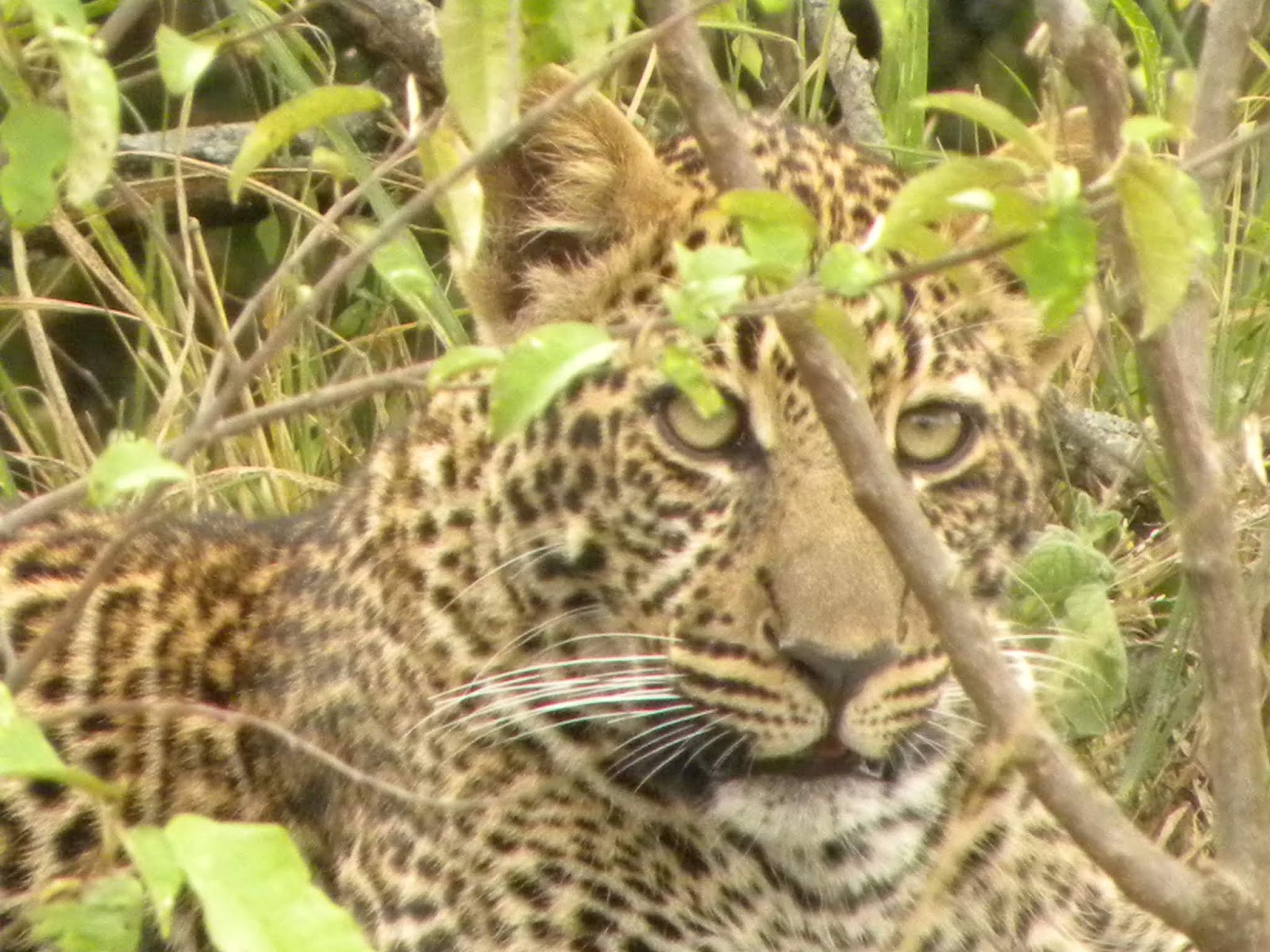
She and her cubs are doing well and have been along Olare Orok River and Kaboso River, trying to avoid conflict with the Enkuyanai lions that have been patrolling the same territory for some time. The older male cub and the two younger ones have been hunting successfully.

Bahati

She is also doing well along the Talek River and appears to be very pregnant. We expect a litter by the middle of August. Young Bella 2 and Hatari are now independent and hunting on their own. At times, they are seen with the mother.

Elephants

Herds of elephants are with some calves. There is plenty of grass and water for them. It is very common to see herds of up to forty elephants feeding in the same spot, especially in the marshy areas.


Giraffes

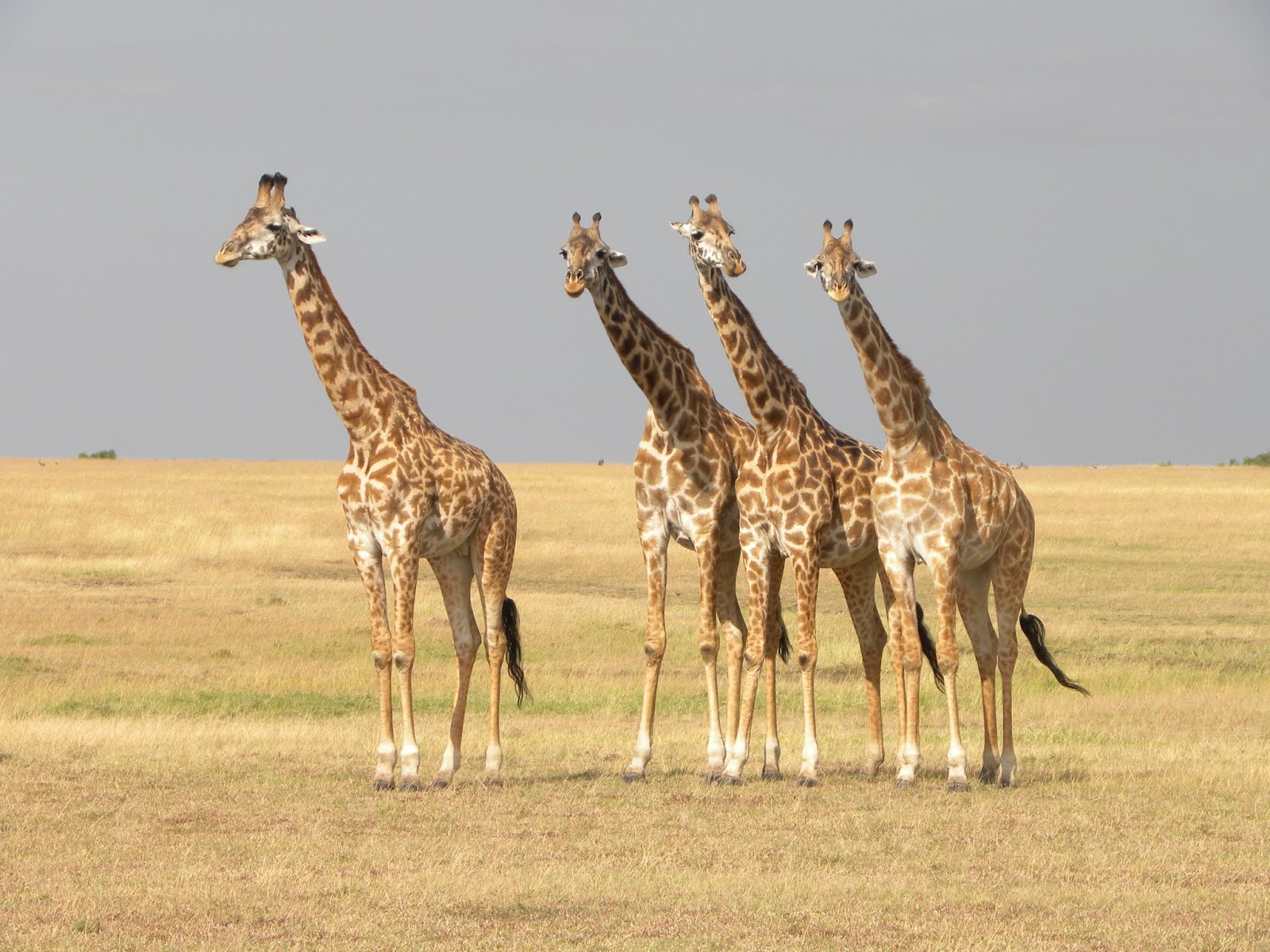
Common in the shrubby areas.  In the heat of the day they can be seen out in the plains chewing cud and at times, necking.


Buffalos

Common sightings with calves. There are permanent herds by Lugga ya Njoroge and Topi Plains.

Written by Koikai, senior driver-guide

29 May, 2018

Run Free Lipstick!


Lipstick was one of the pride males of the famous ridge pride that live north of Mara Intrepids/Explorer camps between rhino ridge and double cross area.

Born around 2006 in the Mara triangle area, Lipstick and his brothers have managed to move and conquer many territories, they have also lost more territories to other rival males in the Masai Mara ecosystem.

Lipstick and his brother Blackie took over the ridge pride sometime in 2015 and that is the same pride that he ruled until his death.


On the 19 July 2018 the guides found him dead in his territory. He has been involved in many fights while trying to defend the prides territory and also sometimes when trying to expand their current territory and this often leads to conflicts with other lions.

Lipstick got into a fight with other lions probably from the Enkoyanai pride males and has been injured and limping badly for the last couple of months. With his injury, he couldn’t keep up with the pride when they went hunting and so he got very weak as he would get to the kill mostly when there was not much left. With his age catching up with him there wasn’t much chance of him recovering in the wild.

Lipstick sired many cubs in the Masai Mara and his genes have been spread across the Mara. He lived a great wild and free life that many other lions don’t usually live. He was about 13-14 years old.


Blackie his brother now has the sole responsibility to protect the pride which is a big challenge as there is always other younger and stronger males trying to challenge and take over the pride.

RIP Lipstick, You brought so much joy to us and all around the world and will surely be missed. You surely left a great legacy.

Run free Mighty warrior.


Compiled by Kang’ethe Mugwe.

27 March, 2018

Hunting Independently


Weather

March began with heavy rains which washed away some camps, flooded the rivers and made the bridges impassable.


However the rains brought a sigh of relieve for the wildlife and the communities that were desperately looking to the rainy season. The livestock belonging to the Masai communities had been ravaged by the drought.


It’s cool most of the time with temperatures ranging between 16ºc in the mornings and evenings to 24ºc during the day.

Wildebeest Phenomena in the Mara

The wildebeest began to drop their young in the Mara in February and are still giving birth in large numbers. This is a phenomenon because wildebeest give birth in the Serengeti and in the Loita Plains but not in the Mara.


The Loita herds of wildebeest and zebra are back in the park heading south towards the Talek River. Some have crossed to Possee Plains.


General game
Game viewing has been good with lots of plains wildlife feasting on the green pastures and water.


The topi continue to rut. Males display their dominance in the breeding grounds (leks) with females moving in and out of them.

Warthogs, buffalos, Maasai giraffes are well fed and calving. Herds of eland are common around the Mara Intrepids camps where they are marooned between the Olare Orok and Ntiakitiak Rivers.


On a recent early morning game drive we saw a python strangle and swallow a dikdik.  


Predators

Lions
The Olkiombo Pride

It is reclaiming its former territory along the Talek River. The pride has two big, dominant males named Maridadi and Kaka including four females and nine cubs.
Maridadi seems to be a bit bigger than his coalition mate and has been crossing the Talek River but does not venture far from it. He may be looking for new territory.


The Ridge Pride
It’s in its territory at the Topi Plains. The pride was seen feasting on a cow and a hippo. Blacky and Lipstick are still the dominant males. There are also three young males in the pride who may be kicked out soon as they are almost sexually mature.


The Enkuyanai Pride
It’s along Ntiakitiak River, crossing the river every time the water goes down. The lions killed a buffalo and they feasted on it for three days. The dominant males - Oloolpapit and Olbarnoti – then started to mate.


Leopards
Bahati
She and her cubs are roaming around the Mara Intrepids.  We have named the two cubs Hatari (the male cub) and Bella 2 (the female). They seem to be separating from their mother at a very early age as they are barely one year old. However the cubs are already independent and hunt for themselves. On several occasions, they have been seen with kills of young impala and scrub hares up in the trees.


Recently, Bahati killed a big male impala but didn’t bother to call the cubs. She ate for two days and left without looking for the cubs.


Kaboso
She and her two cubs are also doing well. Kaboso with the help of her older male cub Blue Eyes is keeping a serious watch over the cubs as there are many baboons and hyenas around. Blue Eyes helps his mother to hunt gazelles and warthogs.

Luluka
She’s at Olkeju Rongai and has been seen with gazelle and impala kills up on a tree on different occasions.


Cheetahs

Malaika
She and her two male cubs were on the western side of Olare Orok River when the water level was at its highest.  There are unconfirmed reports that Malaika may have tried to cross the flooded river and drowned.


Other reports are that she may have left her cubs who are now old enough to hunt.
Malaika had shown some signs of coming on heat and we our keeping our fingers crossed that she is fine. Her cubs are still searching for her.

Imani
She had a new litter of four cubs around the Lookout Hill.  She has lost one and we hope the remaining three will survive as she seems to be taking very good care of them.


By R. Koikai

Senior driver-guide at Mara Intrepids/Explorer Camps