26 July, 2018

The Great Migration 2018


The great wildebeest migration this year is a little late and this could be due to the heavy rains which have resulted to overgrown grass both in the Maasai Mara and the neighbouring Serengeti in Tanzania. The two great parks form one ecosystem.

Reports indicate that the wildebeest and zebra are still far from crossing the border near Sand River. We are hoping that in a week’s time, the first herds will arrive in the Mara.


Meanwhile, the resident herds are everywhere in the Mara. At Double Crossing the herds are heading south towards the Talek River where we may witness some river crossings in a few days. These herds usually head south to meet up with the big herds coming from the Serengeti.


Down by the Mara River there are a few zebras that have been crossing back and forth at Paradise and at the Chinese Hill at Chemarta.
The predators are seldom successful at hunting the zebras because the grass is still very long.


Lions

The Ridge Pride

It’s still at Topi Plains. Since the demise of Lipstick, the pride seems to be disintegrating. Meantime, Blacky the dominant male is becoming frail by the day. We have seen the Six Musketeers from the Marsh Pride patrolling Topi Plains which was the territory of Lipstick and Blacky. This is a clear indication that the Musketeers will soon be taking over that territory.

The Enkuyanai Pride

It’s trying to hunt the resident zebra and wildebeest in the Double-Cross area and patrolling around Kaboso and the Olare Orok Conservancy. With them are the two dominant males, Oloolpapit and Olbarnoti who seem to be doing well with the pride. The pride is advancing its territory into what used to be the Ridge Pride’s territory.

The Rekero Break-away Pride

It seems to be desperately looking for new territory.  It has been seen by the Olkiombo airstrip and moving east towards Chemarta. Long Face is trying to take over the pride but is facing some resistance from the females.

The Olkiombo Pride

It has pitched tent, so to speak, along the Talek River where the lions were last seen feasting on a hippo, but in absence of the dominant males Kaka and Maridadi. The pride has been patrolling the southern sides of the Talek River and crossing into Possee Plains.


Cheetahs

The Five-male Coalition

It is branded Tano Bora in Kiswahili meaning the Great Five. The cheetahs are usually at Maji ya Fisi and Hammercop area where they have been killing nearly every day. Their meals include wildebeest, topi, impala, gazelle, hartebeest and other antelopes. They crossed the Talek River and headed northeast to the edge of Olare Orok Conservancy and back into their favourite area at Maji ya Fisi where there is a lot of plains game.

Leopards

Kaboso

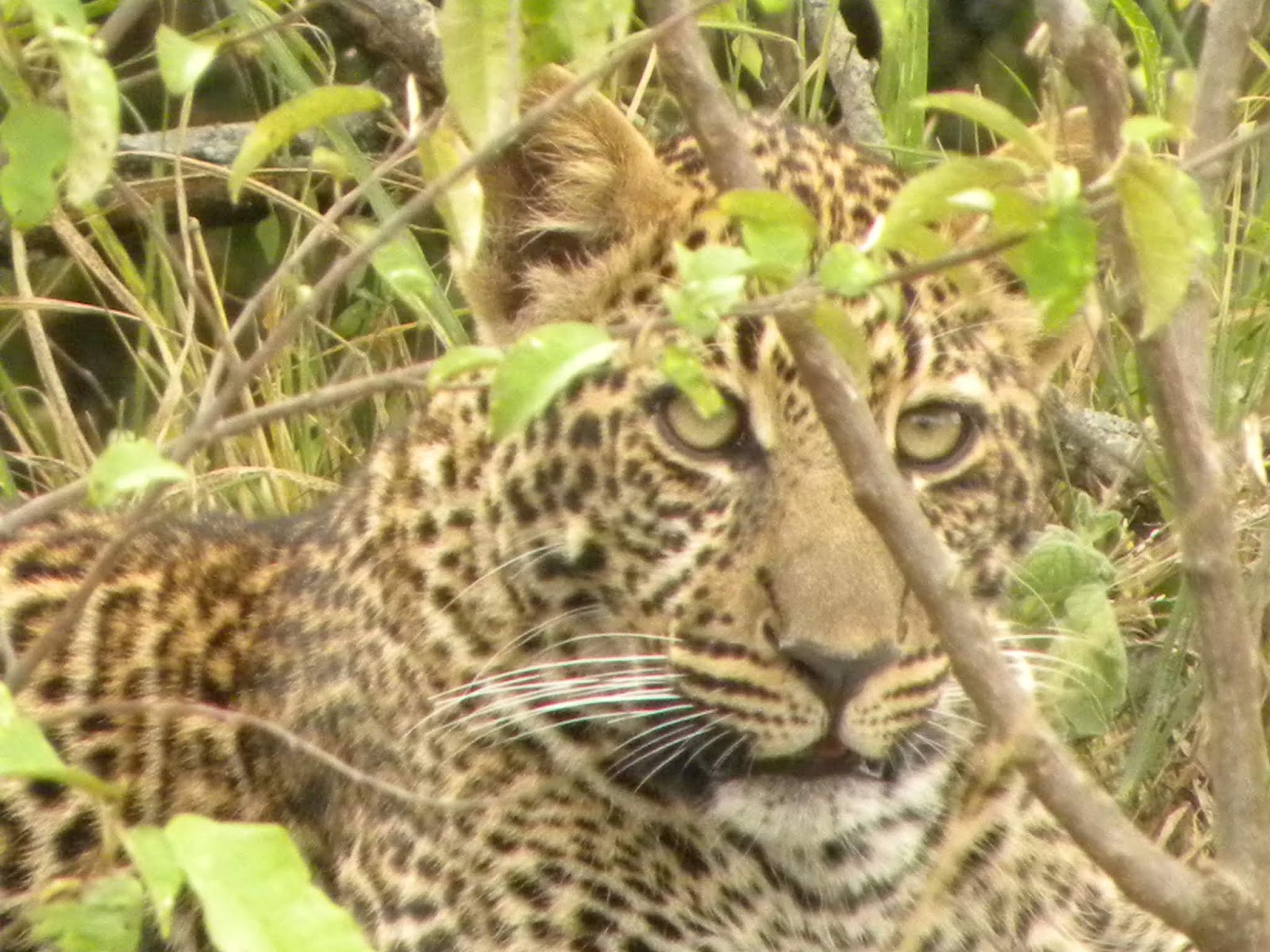
She and her cubs are doing well and have been along Olare Orok River and Kaboso River, trying to avoid conflict with the Enkuyanai lions that have been patrolling the same territory for some time. The older male cub and the two younger ones have been hunting successfully.
Bahati

She is also doing well along the Talek River and appears to be very pregnant. We expect a litter by the middle of August. Young Bella 2 and Hatari are now independent and hunting on their own. At times, they are seen with the mother.

Elephants

Herds of elephants are with some calves. There is plenty of grass and water for them. It is very common to see herds of up to forty elephants feeding in the same spot, especially in the marshy areas.


Giraffes

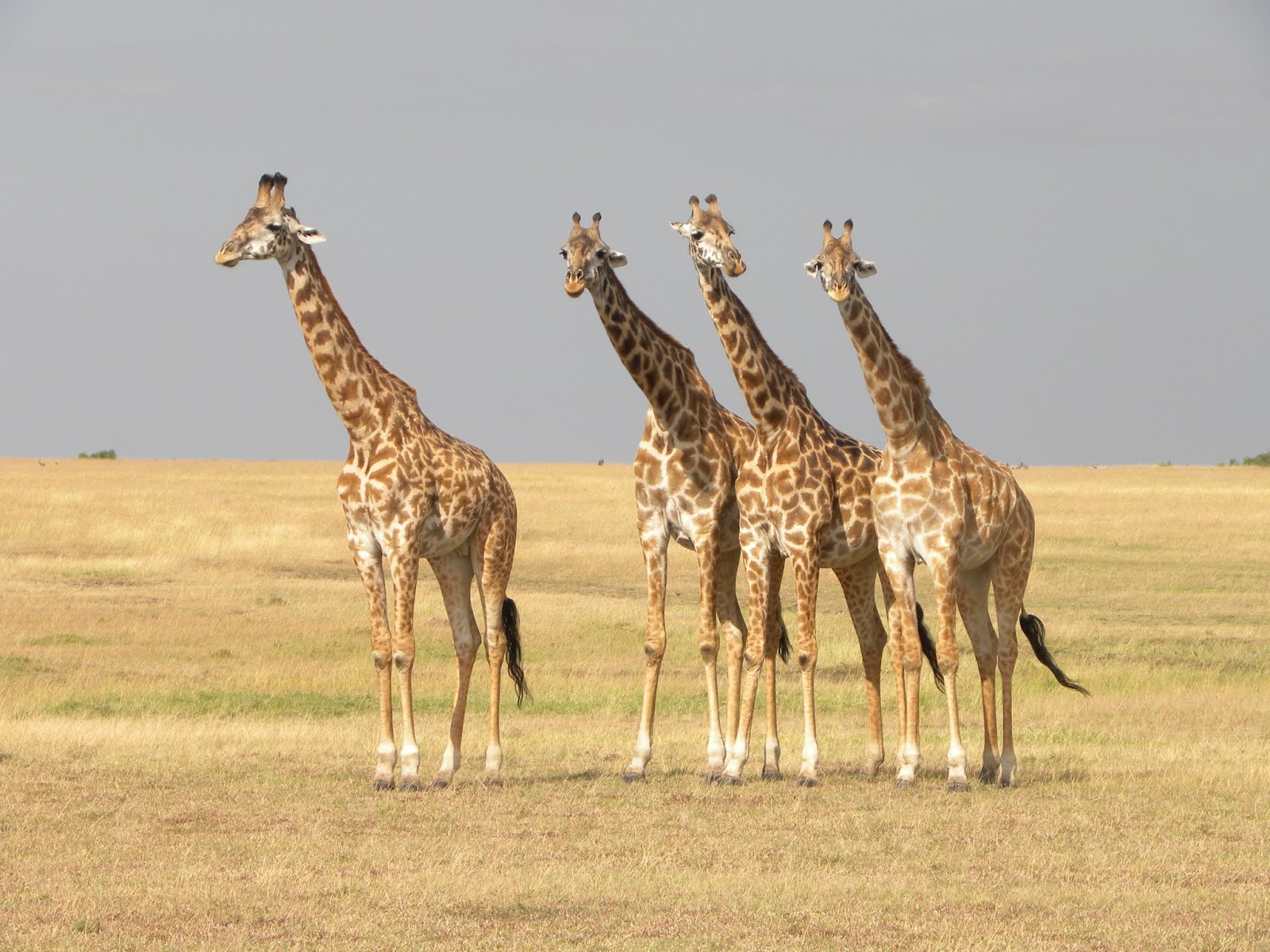
Common in the shrubby areas.  In the heat of the day they can be seen out in the plains chewing cud and at times, necking.

Buffalos

Common sightings with calves. There are permanent herds by Lugga ya Njoroge and Topi Plains.

Written by Koikai, senior driver-guide

29 May, 2018

Run Free Lipstick!


Lipstick was one of the pride males of the famous ridge pride that live north of Mara Intrepids/Explorer camps between rhino ridge and double cross area.

Born around 2006 in the Mara triangle area, Lipstick and his brothers have managed to move and conquer many territories, they have also lost more territories to other rival males in the Masai Mara ecosystem.

Lipstick and his brother Blackie took over the ridge pride sometime in 2015 and that is the same pride that he ruled until his death.


On the 19 July 2018 the guides found him dead in his territory. He has been involved in many fights while trying to defend the prides territory and also sometimes when trying to expand their current territory and this often leads to conflicts with other lions.

Lipstick got into a fight with other lions probably from the Enkoyanai pride males and has been injured and limping badly for the last couple of months. With his injury, he couldn’t keep up with the pride when they went hunting and so he got very weak as he would get to the kill mostly when there was not much left. With his age catching up with him there wasn’t much chance of him recovering in the wild.

Lipstick sired many cubs in the Masai Mara and his genes have been spread across the Mara. He lived a great wild and free life that many other lions don’t usually live. He was about 13-14 years old.


Blackie his brother now has the sole responsibility to protect the pride which is a big challenge as there is always other younger and stronger males trying to challenge and take over the pride.

RIP Lipstick, You brought so much joy to us and all around the world and will surely be missed. You surely left a great legacy.

Run free Mighty warrior.


Compiled by Kang’ethe Mugwe.

25 May, 2018

Chef George’s Haute Cuisine


Ravioli of Lake Naivasha Crayfish, Served with Leek and Asparagus Vinaigrette

Ingredients

Fresh Ravioli Pasta [standard recipe]
Crayfish tails –
Chopped dill and parsley for Herb oil
Common cap mousse
Blanched and refreshed asparagus and leek
Herb oiL, Chilli oil
Balsamic vinegar and olive oil

Method

Make the pasta dough as per the standard [100g flour to one whole egg and tsp. olive oil]
Make some Naivasha Common Cap Mousse – by using Boneless, Skinless Fish Flesh.
Dice the fish flesh well – add in the blender and blend with egg white til totally smooth then add a little cream. Do not  over blend  the cream
Season well and put to one side.
Marinate the crayfish tails in garlic, fish sauce and grated lemon zest, and fresh parsley.
Blanch the crayfish tails and Refresh  and then mix with a little common Cap Mousse , add a little more fresh chopped parsley– this is your filling for the ravioli.
Make the pasta using the standard recipe and roll out into circles.
Place the filing on the circle, brush with egg white and Place another circle on top – seal blanch and refresh.
Ensure the pasta sheet is very thin
Trim the baby leeks and prep the asparagus – boil in salted water – refresh in cold water once cooked, marinate in olive oil and balsamic once cold, season well.
Make the herb and the chilli oils.


22 May, 2018

Masai Mara Occurrence 2


Weather

Very wet, heavy rains.  It gets sunny in the morning followed by thunderstorms in the afternoon. Nevertheless there have been some spectacular sunsets and sunrises and on some clear nights, the moon rise.

Temperature:  12ºc -18ºc.


Wildlife

Fantastic.

The park is lush with grass and all the watering holes are full. The elephants are having a great time with big herds that have never been seen before including the big bulls with big tuskers who we believe are not resident in the park but come from the Nyakweri forest on top of the Oloololo escarpment north-west of Mara Intrepids and Mara Explorer Camps.

There are also many female elephants with some very young calves.


Buffalos are also having a great time and most of them are with calves. There are hundreds of them around.


The smaller antelopes like the Thompson gazelles, Grants gazelle, impalas, and the topi have moved to higher grounds where the grass is a bit shorter. It’s safer for them.
For bird watchers this is a very good time.  The Widow birds are in breeding plumage. Easily seen are Pin tailed whydahs, European white storks, White-faced whistling ducks with ducklings, Saddle-billed storks, and Secretary birds.


Predators

Lions

Olkiombo Pride
It is slowly falling back to its original territory along the Talek River. The pride has been moving to the north where the grass is shorter and easier to hunt. The lions have attacked some cows from the herders in the park. The dominant males, Maridadi and Kaka are still in charge of the pride.


Ridge Pride
Intact with Blacky and Lipstick in charge.
The pride is still at Topi Plains on the northern side of Rhino Ridge.
The grass is taller here so the lions are having a difficult time hunting. But they have had some success with warthogs and topis.


Enkuyanai Pride with Oloolpapit and Olbarnoti are doing okay. It killed a buffalo on the eastern side of Ntiakitiak River and devoured it in three days.
It then moved back across Ntiakitiak River and is now at Kaboso trying to hunt zebras.

Leopards
Bahati seems to have separated from her cubs. She was last seen mating with one of the resident males along the Olare Orok River. She may have another litter sometime in August.


Bahati’s cubs Hatari (male) and Bella2 (female) named after her great grandmother Bella are doing very well, hunting smaller prey like baby impala.

The Kaboso female is also doing great with her cubs in their territory along Kaboso River and Nkorbob. The river is very high and impassable but when we managed to cross the river, we saw them with a warthog up on a tree.


Cheetahs
The five male cheetahs are at Maji ya Fisi. They were last seen with a female cheetah named Nora after which they separated from the female.

They moved across the Talek River into Olare Orok Conservancy but didn’t stay long there because of the number of domestic cows that have been allowed to graze in the conservancy.

Imani has lost three of her four cubs. She is trying very hard to protect the surviving cub. They crossed the Talek River in late April and are around Murram ya Fig Tree and Lugga ya Njoroge.  Imani has been successful in hunting on several occasions.


Malaika’s male cubs are around Rekero and Lugga ya Ndege, trying to hunt, getting better by the day.

Sightings by Raphael Koikai, head driver-guide

27 March, 2018

Hunting Independently


Weather

March began with heavy rains which washed away some camps, flooded the rivers and made the bridges impassable.


However the rains brought a sigh of relieve for the wildlife and the communities that were desperately looking to the rainy season. The livestock belonging to the Masai communities had been ravaged by the drought.


It’s cool most of the time with temperatures ranging between 16ºc in the mornings and evenings to 24ºc during the day.

Wildebeest Phenomena in the Mara

The wildebeest began to drop their young in the Mara in February and are still giving birth in large numbers. This is a phenomenon because wildebeest give birth in the Serengeti and in the Loita Plains but not in the Mara.


The Loita herds of wildebeest and zebra are back in the park heading south towards the Talek River. Some have crossed to Possee Plains.


General game
Game viewing has been good with lots of plains wildlife feasting on the green pastures and water.


The topi continue to rut. Males display their dominance in the breeding grounds (leks) with females moving in and out of them.

Warthogs, buffalos, Maasai giraffes are well fed and calving. Herds of eland are common around the Mara Intrepids camps where they are marooned between the Olare Orok and Ntiakitiak Rivers.


On a recent early morning game drive we saw a python strangle and swallow a dikdik.  


Predators

Lions
The Olkiombo Pride

It is reclaiming its former territory along the Talek River. The pride has two big, dominant males named Maridadi and Kaka including four females and nine cubs.
Maridadi seems to be a bit bigger than his coalition mate and has been crossing the Talek River but does not venture far from it. He may be looking for new territory.


The Ridge Pride
It’s in its territory at the Topi Plains. The pride was seen feasting on a cow and a hippo. Blacky and Lipstick are still the dominant males. There are also three young males in the pride who may be kicked out soon as they are almost sexually mature.


The Enkuyanai Pride
It’s along Ntiakitiak River, crossing the river every time the water goes down. The lions killed a buffalo and they feasted on it for three days. The dominant males - Oloolpapit and Olbarnoti – then started to mate.


Leopards
Bahati
She and her cubs are roaming around the Mara Intrepids.  We have named the two cubs Hatari (the male cub) and Bella 2 (the female). They seem to be separating from their mother at a very early age as they are barely one year old. However the cubs are already independent and hunt for themselves. On several occasions, they have been seen with kills of young impala and scrub hares up in the trees.


Recently, Bahati killed a big male impala but didn’t bother to call the cubs. She ate for two days and left without looking for the cubs.


Kaboso
She and her two cubs are also doing well. Kaboso with the help of her older male cub Blue Eyes is keeping a serious watch over the cubs as there are many baboons and hyenas around. Blue Eyes helps his mother to hunt gazelles and warthogs.

Luluka
She’s at Olkeju Rongai and has been seen with gazelle and impala kills up on a tree on different occasions.


Cheetahs

Malaika
She and her two male cubs were on the western side of Olare Orok River when the water level was at its highest.  There are unconfirmed reports that Malaika may have tried to cross the flooded river and drowned.


Other reports are that she may have left her cubs who are now old enough to hunt.
Malaika had shown some signs of coming on heat and we our keeping our fingers crossed that she is fine. Her cubs are still searching for her.

Imani
She had a new litter of four cubs around the Lookout Hill.  She has lost one and we hope the remaining three will survive as she seems to be taking very good care of them.


By R. Koikai

Senior driver-guide at Mara Intrepids/Explorer Camps

05 February, 2018

Ziwani Escapades 2

Weather
Very hot.
Temperature

18’c morning
35’c at midday
25’c at sunset
Landscape
Everything is drying up with the many trees shedding their leaves. Some places are still green and lush like the Serengeti (not to be confused with Tanzania’s Serengeti) and Mbuyuni plains where most wildlife is.
In the Sanctuary wildlife numbers have doubled due to the scarcity of water in the adjoining Tsavo West National Park where almost all the natural dams have dried up.
In the Sanctuary and around the Camp there are many zebras, impalas, Fringed-eared oryx, elands, warthogs, buffalos including hippos and crocodiles.


Lake Jipe Jumbos
During the festive season we visited Lake Jipe in Tsavo West to look for elephants.
The elephants spend time in the lake until 9 a.m. and then wander away into the plains to browse. They return at around lunch time. During the dry season, they can even spend the whole day in the lake feeding on reeds.

We visited the lake thrice during the festive season and watched the elephants feeding along the lake. Our guests enjoyed take beautiful pictures of the elephants at the lake with the Pare Mountains in Tanzania as a backdrop.


Predators

Lions
One lioness with two cubs seen this week near signage number 43. Two lions were also seen at Mbuyuni gate.

Cheetah
A collision of three cheetahs along Salaita road during evening game drives. On the daily night game drives we have seen cheetahs on four consecutive days at the airstrip hunting impalas.


Photo credit: Lisa Gebetsroither and Florian from Austria.

Leopard

 One leopard seen near signage number 38 twice a day.

Written by Stephen Lekatoo.